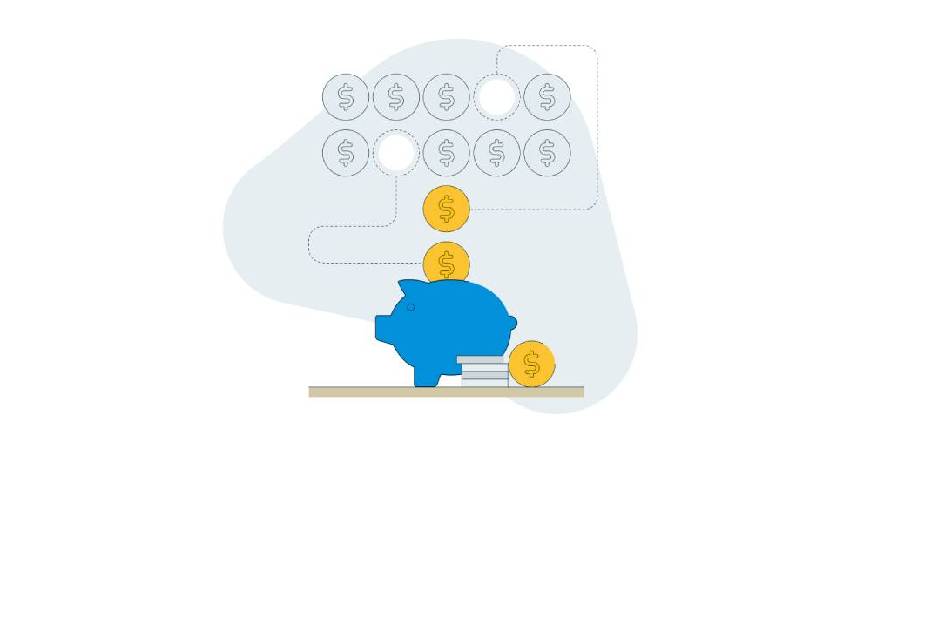


Just as spring inspires us to open the windows and clear out the clutter, tax season encourages a financial reset. After all, your tax return offers a snapshot of the past year – what you earned, what you saved and what you paid – and an opportunity to plan ahead accordingly.
Whether you receive a refund, owe money or break even, those numbers provide useful insights into where you stand today. They can also highlight the need for some adjustments that may help you feel more confident and in line with your financial goals.
Here’s how to use this moment to your advantage.
Received a refund? Consider how you can put it to work
A refund can feel like a bonus – a welcome boost this time of year. You may already have plans and that’s perfectly reasonable.
At the same time, it’s worth thinking about whether some of that money could help strengthen your overall financial position.
For example, you might choose to:
Add to your retirement savings, giving your contributions more time to grow
Pay down high-interest debt that’s becoming costly or stressful
Build or top up your emergency savings for added flexibility
The objective isn’t to do everything at once. Even setting aside a portion for a specific purpose or goal can make a difference.
Owe taxes? Keep your long-term savings in sight
If you owe money to the government this year – especially if it wasn’t expected – it can feel discouraging. And it might be tempting to scale back retirement contributions or pause savings to free up cash.
Before making a move, take a pause.
Your Group savings plan plays an important role in your long-term financial security. Stopping or reducing contributions, even temporarily, can slow your progress toward your retirement goals.
Consistent contributions help you stay on track in a few important ways. For one, they allow you to benefit from dollar-cost averaging – investing steadily through market ups and downs rather than trying to time the market. They also give your money more time to grow through compounding, where earnings generate additional earnings over time. Depending on your plan, reducing contributions may also mean missing out on employer matching – additional contributions made on your behalf when you contribute yourself.
If you’re unsure how a pause or reduction might affect you, tools like MyAdvisor can help you model different scenarios and see the potential long-term impact before making a decision.
Instead of stepping away from your savings, consider a measured approach. Could you temporarily trim discretionary expenses, such as travel, dining out or subscriptions, while you pay your outstanding tax balance? You might also want to review available tax credits and deductions to ensure you’re making the most of incentives available to you next year.
Balancing today’s obligations with tomorrow’s goals isn’t always easy. But keeping the bigger picture in mind will help you stay on track.
Breaking even? Use the stability to your advantage
No refund and no balance owing can be a sign that your tax planning is on track. That said, this is still a great time to review your retirement savings strategy. For example:
Has your income changed in a way that might allow you to increase your contributions?
Do your current savings choices still reflect your long-term goals?
Are you maximizing your contributions to take full advantage of your employee savings plan?
With no tax surprises to manage, you have the freedom to focus on making steady progress.
Plan ahead for fewer surprises next year
No matter how things turned out this tax season, a few small steps now can make you feel more in control as you head into the next year.
Consider simple habits that can keep you organized and informed:
Keep receipts and documents organized throughout the year
Review your retirement contributions periodically to see if they still align with your goals
Take note of any life changes that may affect your savings strategy
Review and update your beneficiary designations to ensure they reflect your current wishes
These don’t have to be major changes. Often, it’s the small, consistent actions that reduce stress and create a stronger sense of control over time.
Spring is a season of renewal – a chance to clear out what’s no longer serving you and make room for steady growth. A thoughtful financial reset can help you move into the rest of the year feeling organized and confident about what lies ahead.
This article is intended as general information only and is not to be relied upon as constituting legal, financial or other professional advice. A professional advisor should be consulted regarding your specific situation. Information presented is believed to be factual and up-to-date but we do not guarantee its accuracy and it should not be regarded as a complete analysis of the subjects discussed. All expressions of opinion reflect the judgment of the authors as of the date of publication and are subject to change. No endorsement of any third parties or their advice, opinions, information, products or services is expressly given or implied by Royal Bank of Canada or any of its affiliates.